
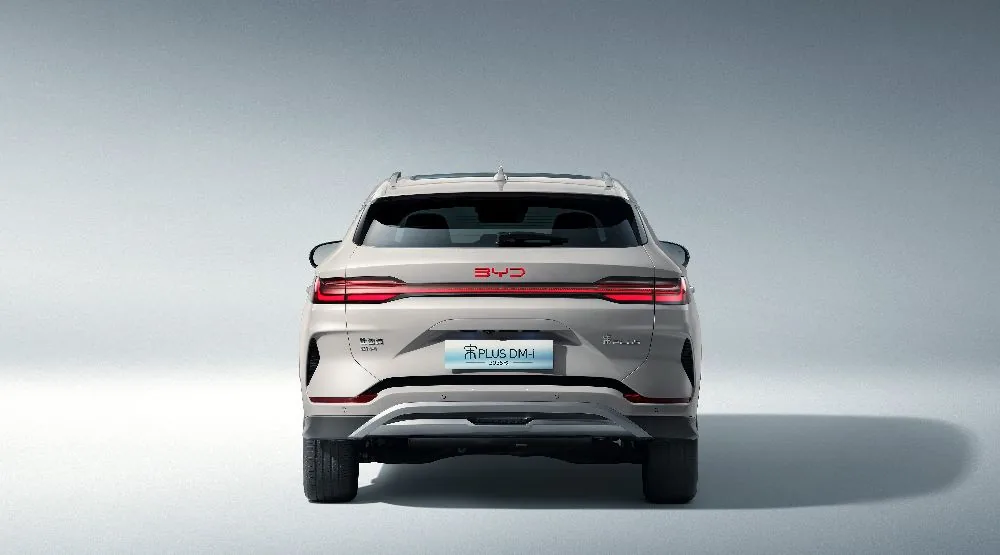
Separate production, registration and appearance
Record build date, full model designation, original sales market, propulsion and registration history independently. The names and versions file provides the identity framework. A later registration can belong to earlier production, while replaced lamps or bumpers can change appearance without changing the underlying configuration. Ask for coherent records and current photographs of the actual candidate. Where parts have been changed, preserve invoices and suitable fitment evidence rather than assume fraud or originality from appearance alone. The comparison should identify what each car really is, not rank ambiguous year labels whose meanings differ between an advertisement, registration document and export quotation.
List useful differences instead of pricing the whole update as essential
Create an equipment comparison tied to the buyer’s ordinary passengers, luggage, climate and phone needs. Trial the relevant functions on both cars. Use the cabin and boot fit guide for practical loading and the phone connection checks for actual supported features. A larger screen or different styling can be a legitimate preference, but it should not substitute for essential compatibility. Mark features confirmed, not fitted or awaiting evidence. Do not assume a translated facelift term includes every camera, driver-assistance function or charging update described in another region’s later brochure.
Keep powertrain changes on their own evidence basis
Identify engine, drive arrangement, battery and charging hardware rather than treating exterior revision as proof of a different energy system. The DM-i versus EV guide prevents mixed comparisons, while the specification file records the exact configuration. If battery size differs, use the relevant DM-i capacity-value decision rather than crediting the entire later-car premium to range. Compare like-for-like operating evidence with applicable test-cycle context. A newer dashboard indication cannot prove better remaining pack condition, and a shared model name cannot guarantee that changed components or software are supported at the receiving destination.
Compare present condition before assigning value to age
Obtain independent findings covering structure, energy systems, chassis, electronics and actual repair history. The inspection checklist and accident and battery-repair checks address risk that an update badge cannot resolve. A documented earlier car may be more coherent than a poorly understood newer one; the reverse can also be true. Evaluate mileage alongside duty and maintenance, not as an automatic verdict. Keep preparation and investigation separate so an unexplained warning is not priced as a known cheap repair. Neither youthful appearance nor an older complete service file proves the car needs no further assessment.
Ask about the exact parts and ownership support route
Use the VIN-matched parts file with the receiving workshop for lamps, body parts, electronics and propulsion components relevant to each candidate. Similar dimensions or a common family badge do not establish interchangeability. Ask whether replacement glazing or sensors require applicable setup using the ADAS calibration guide. Confirm account handover and warranty terms separately through their responsible providers. A facelift premium may become worthwhile if its needed features and support are genuinely better for the buyer, but future updates, assumed local coverage or promised retrofit compatibility should not be counted as established advantages before the relevant answers exist.
Normalise the offers and approve the actual benefit
Use the price guide to align inspection, essential preparation, included items and delivery scope. Separate cosmetic preference from a meaningful change in daily use. Consider a conservative ownership-cost comparison without guaranteeing that the later shape will hold a specific resale premium. Buy the candidate whose accepted equipment, condition and service route justify its complete amount; investigate important gaps or reject either when essential exposure is unresolved. Save the accepted production and equipment record. A substitute described merely as another facelift car should receive the same review rather than inherit approval from the first offer’s appearance.
Compare the acceptance conditions
- Later package earns its premium
- Confirmed improvements answer actual daily needs and the candidate’s condition, parts access and complete cost remain acceptable.
- Evidence before styling
- Year labels or updated exterior parts do not reconcile with the vehicle record; resolve identity and relevant repairs before comparing price.
- Earlier car is sufficient
- The earlier supported candidate meets the brief, while the later offer mainly charges for optional appearance or unconfirmed equipment benefits.
Buyer evidence checklist
- Build and registration dates recorded separately
- Factory configuration distinguished from changed exterior parts
- Practical features trialled on both cars
- Current condition and exact parts route
- Premium divided between useful updates and preference
Questions before you buy
Does a newer registration identify the facelift specification?
No. Production, original market and installed configuration need their own records; registration can occur later than manufacture.
Should I reject an earlier Song Plus automatically?
No. Compare present condition, usable equipment and support. Age alone cannot establish which identified offer is the better purchase.
Primary and regional references
Each reference describes its own market or commercial scope; it does not identify the offered VIN or prove its condition or availability.
BYD Mexico Song Plus DM-i: one market’s product record ↗