
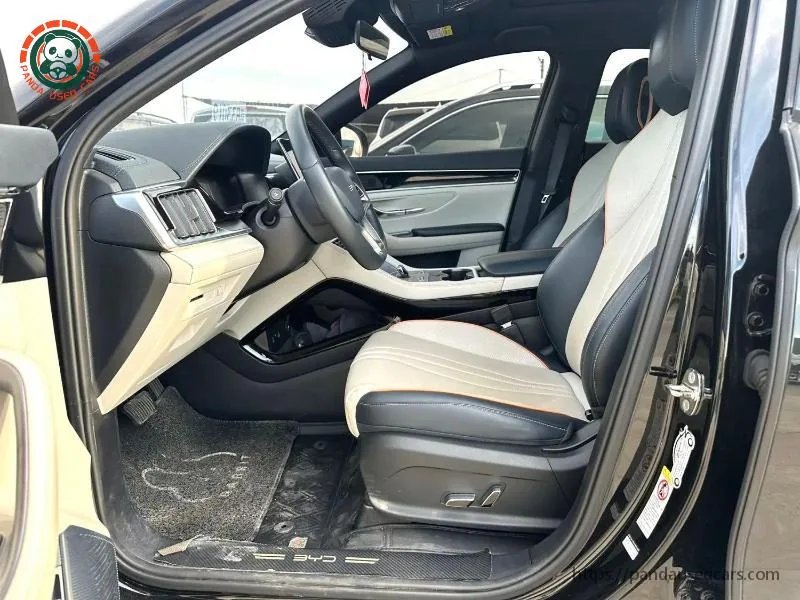
Establish the exact market and trim because driver-assistance equipment varies. Inventory cameras, radar, sensors, windscreen hardware and controls, then reconcile them with VIN-linked specifications and diagnostics. A feature shown in another market brochure, an icon or a translated listing is not proof that it is fitted and calibrated. The following checks turn ADAS identity, sensors and calibration into a decision that can be reviewed against one identified vehicle.
Decide ADAS identity, sensors and calibration
Establish the exact market and trim because driver-assistance equipment varies. Inventory cameras, radar, sensors, windscreen hardware and controls, then reconcile them with VIN-linked specifications and diagnostics. A feature shown in another market brochure, an icon or a translated listing is not proof that it is fitted and calibrated.
Evidence for ADAS identity, sensors and calibration
Inspect camera glass and brackets, windscreen, bumper, grille, sensor faces, suspension repairs and alignment. Scan relevant modules for communication, plausibility and calibration faults. After glass, body or suspension work, request the procedure and report used. Conduct lawful functional verification in controlled conditions and retain tyre and alignment data.
Export and ownership exposure
A sensor can be present without a warning yet aimed incorrectly. Replacement glass, non-standard parts, wheel changes and poor alignment can affect performance. Market software and activation may differ after export. Describe only verified functions, and never present assistance systems as a replacement for driver attention.
Apply the decision to a real candidate
A candidate with a replacement windscreen and no calibration record stays on hold even if lane graphics appear. Verify its camera mount, run diagnostics and complete the correct procedure. Do not mark a lower trim defective because it lacks an optional function; contract only equipment proven on that vehicle.
Build the VIN-linked record
Create a working sheet headed by Market and trim identity, Sensor inventory and Glass and bumper history. Place the source and date beside each result, then link photographs, documents and tests to the VIN. Keep Tyres and alignment and Diagnostic scan as open actions until a named person confirms them.
Common approval mistakes
Do not approve ADAS identity, sensors and calibration from a translated trim name, an undated listing or equipment borrowed from another market. The most expensive error here is carrying an unresolved calibration report assumption into payment or shipping.
Close the decision
Approve ADAS identity, sensors and calibration only after the file shows who verified market and trim identity, sensor inventory and glass and bumper history. Give unresolved tyres and alignment or diagnostic scan a named owner and deadline. If the missing evidence can change legality, safety or total cost, hold payment rather than treating the seller description as confirmation.
Independent review for ADAS identity, sensors and calibration
For ADAS identity, sensors and calibration, assign each approval field to a reviewer with the relevant competence. Record candidate evidence for market and trim identity, sensor inventory, glass and bumper history, then obtain destination or commercial confirmation for tyres and alignment, diagnostic scan, calibration report where required. Every conclusion should identify its source, date and VIN. If two reviewers interpret a field differently, keep it open until the underlying document, photograph, diagnostic result or written third-party answer resolves the difference.
Arrival controls for ADAS identity, sensors and calibration
Before loading, freeze the accepted VIN, identity, condition, odometer, warning state, keys, accessories and unresolved exceptions. On arrival, compare those records before cleaning, repair, software changes or routine use. Recheck any open item involving tyres and alignment, diagnostic scan, calibration report, preserve evidence for a timely carrier or supplier claim, and update the ownership file with actual destination findings and costs.
Run a destination-fit test
Turn ADAS identity, sensors and calibration into a short written test before comparing sellers. State the destination, expected annual distance, normal passenger or cargo load, charging access and the maximum acceptable delay for parts or software support. Then test the candidate against market and trim identity, glass and bumper history and diagnostic scan. A feature has value only when it works in that operating context. This step prevents a lower purchase price from hiding a charging, registration or ownership constraint that appears after arrival.
Set the commercial hold points
Do not let the technical file and payment schedule move independently. The first hold point confirms identity; the second closes sensor inventory; the third accepts inspection condition and tyres and alignment; the final one reconciles loading evidence with the contracted delivery boundary. Write the release evidence beside each milestone. If calibration report remains open, retain an appropriate reserve or keep the vehicle on hold until the exposure is priced.
Verify BYD Song Plus ADAS Sensors and Calibration: approval checklist
Mark each item confirmed, unresolved or rejected and retain its evidence under the candidate VIN.
- Market and trim identity
- Sensor inventory
- Glass and bumper history
- Tyres and alignment
- Diagnostic scan
- Calibration report
Primary references
These manufacturer pages establish context; actual specifications remain market-, year- and VIN-dependent.
Official BYD Sealion 6 DM-i specification sheet ↗Related checks before you decide
Review market and trim identity, repair-history checks, tyre and braking evidence. These checks cover the technical, commercial and destination questions that this comparison alone cannot settle.
Buyer questions about ADAS identity, sensors and calibration
Does every Song Plus have the same ADAS?
No. Equipment varies by market and configuration.
Is no warning lamp sufficient?
No. Inspection, diagnostics and calibration evidence are needed.
Can a brochure prove fitted ADAS?
Only after it is matched to the exact market and vehicle.