
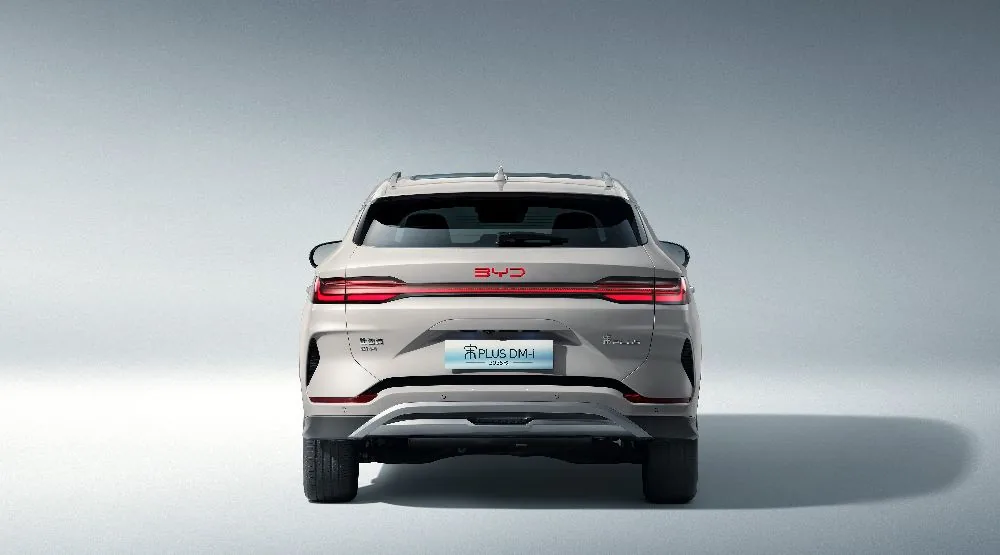
Identify capacity without borrowing another trim’s equipment
Obtain the production record, exact powertrain designation and applicable original-market specification for each offer. Ask whether quoted capacity describes nominal or usable energy and keep that basis consistent. The version identification guide prevents a familiar Seal U or Sealion badge from supplying equipment that the actual Song Plus never had. Do not derive battery size from a charging cable, wheel design or display theme. Record drivetrain, engine and trim differences beside capacity: the entire price gap may include unrelated equipment. A seller’s translated range suffix should be reconciled with the vehicle record before the premium is discussed.
Use the repeatable journey rather than the longest advertised range
List commuting distance, intermediate stops, cabin heating or cooling, ordinary passenger load and the reserve you need for route changes. Separate repeatable daily travel from occasional holidays. The DM-i range and fuel guide explains why an electric test-cycle figure and a combined fuel-and-electric claim answer different questions. Compare the usable routine under suitable observed conditions rather than subtracting two advertised totals. A longer electric window is more useful when it reduces regular engine operation on real trips; spare capacity that is rarely charged or used may be a preference, not an economic necessity.
Establish how often the extra energy can actually be replenished
Confirm permitted charging at home or work, connection compatibility and the time available during ordinary parking. Use the home installation plan for the separate electrical and property questions. A bigger pack does not make an unsuitable supply or unsupported inlet suitable. If the plan relies on public charging, record access, operator requirements, parking limits and alternative sessions when the usual site is busy. Price the complete routine, including detours and waiting where relevant. A map pin near the home is weaker evidence than a permitted, compatible charging arrangement that can be repeated on working days.
Inspect the offered battery rather than purchasing a capacity label
Compare qualified diagnostics, charging behaviour, enclosure findings and relevant repair history on both candidates. The battery-health file defines the broader condition scope, while the battery report interpretation prevents a single percentage from being treated as a complete verdict. A larger uncertain pack does not necessarily offer more useful ownership value than a smaller adequately documented one. Record what was tested, at which temperature and state of charge, and what access was unavailable. Do not value capacity by assuming a replacement pack is inexpensive, freely interchangeable or guaranteed to remain available in the destination.
Separate the battery premium from total acquisition and operating costs
Normalise both offers by inspection, preparation, included charging equipment and delivered readiness through the price guide. Use supported electricity and fuel inputs for the buyer’s routine, not weighted brochure consumption as though every kilometre starts with a full battery. Add required installation or public-access expenses once. Review differences in tyres, fitted equipment and applicable servicing independently so the full trim premium is not called a battery charge. The three-year ownership worksheet can test a conservative case in which charging is less frequent than hoped, without promising a fixed saving or resale advantage.
Choose the smallest adequate package or justify a specific benefit
Approve a larger pack when supported extra electric use, condition and service access make its complete premium acceptable. Prefer the adequate smaller package when the ordinary brief is met and the difference would mainly buy unused capacity. Investigate an important uncertainty before deciding; do not solve it with a hopeful future software upgrade. Record the exact accepted version and supplied equipment in the purchase schedule. A substitute VIN requires its own comparison. Battery size is one purchase input, not a guarantee of road-trip speed, charging compatibility, remaining life or a particular annual operating bill.
Compare the acceptance conditions
- Worth the premium
- Extra usable electric travel fits a confirmed charging routine, and both condition and exact-configuration support justify the complete difference.
- Obtain more evidence
- Capacity descriptions, test conditions or property charging access are inconsistent; investigate before attributing the trim price gap to useful energy.
- Choose the simpler offer
- The smaller supported package meets the ordinary task and the larger option depends mainly on seldom-used capacity or unresolved hardware assumptions.
Buyer evidence checklist
- Original market and consistent capacity basis
- Real commute, climate and reserve requirement
- Permitted repeatable charging access
- Pack condition and actual service route
- Premium separated from other equipment
Questions before you buy
Does the largest DM-i battery always give the best value?
No. Its benefit depends on real use, repeatable charging, condition and complete price. Unused capacity may not justify a premium.
Can a European trim table identify a Chinese used car?
Not by itself. Match the offered production record and original-market specification; regional references provide context rather than VIN proof.
Primary and regional references
Each reference describes its own market or commercial scope; it does not identify the offered VIN or prove its condition or availability.
BYD European Seal U DM-i launch: dated regional configurations ↗