
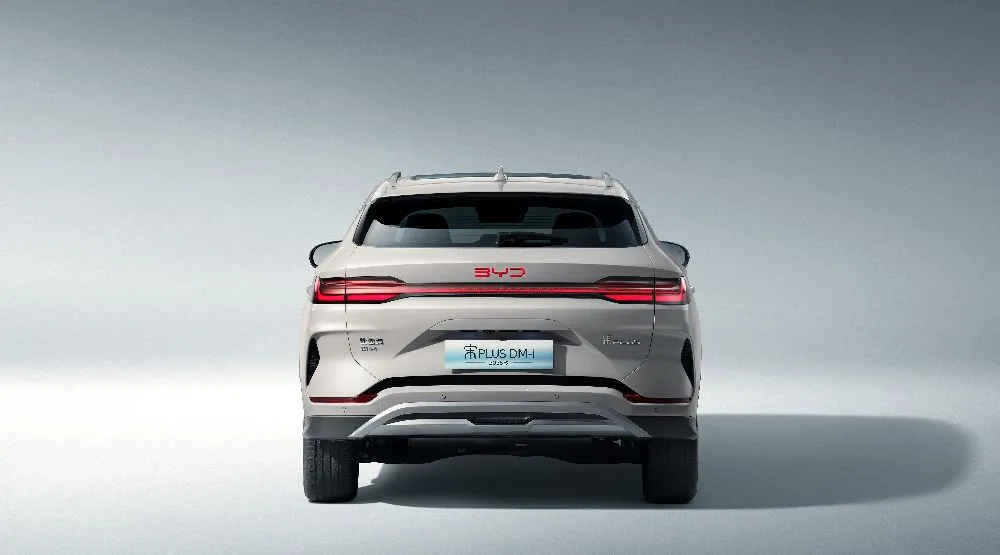
For structure, flood and high-voltage repair history, first define what a pass looks like. Then compare the actual vehicle with that standard using documents, inspection media and destination advice.
Decide structure, flood and high-voltage repair history
Separate cosmetic repair from damage affecting structure, restraints, high-voltage isolation, cooling or battery protection. Confirm identity, then inspect paint, seams, welds, fasteners, glass, cabin low points and the underside. DM-i and EV vehicles need variant-specific high-voltage inspection by qualified personnel; exterior appearance cannot prove battery condition.
Evidence for structure, flood and high-voltage repair history
Collect paint-depth maps, repair records, full-module diagnostics and lift photographs before covers are removed. Inspect the floor and battery shield for dents, scrapes, disturbed bolts, sealant, corrosion and residue. Review restraint modules, water-sensitive connectors and isolation or thermal faults, and compare battery identifiers or service records with the original vehicle file.
Export and ownership exposure
A cleaned cabin can hide water exposure and fresh undercoating can hide impact. Opening a high-voltage pack without correct competence creates serious risk. Even a technically sound repair may affect destination acceptance, resale and support. Unknown structural or battery repair remains a hold or rejection, not an automatic discount.
Apply the decision to a real candidate
A repainted bumper with consistent rails, sensors and underbody may be documented as cosmetic. A deeply deformed battery shield, disturbed mounting bolts and incomplete diagnostics require a qualified high-voltage and structural assessment linked to the VIN. Reject the candidate when the repair boundary cannot be established.
Build the VIN-linked record
Keep one dated decision log. Each entry should identify the source, vehicle, finding and next action for vin and repair history, paint and structure, flood indicators. Attach commercial evidence separately so technical acceptance is not rewritten by negotiation.
Common approval mistakes
The common shortcut is treating a model-level fact as candidate proof. Verify vin and repair history physically and on records, qualify battery underside by destination, and exclude any unconfirmed feature from the value calculation.
Close the decision
Before this file advances, reconcile vin and repair history with the vehicle and its documents, and price any unresolved flood indicators consequence. Record who controls qualified assessment after arrival. If the answer exists only in an informal message, move it into the dated approval record or leave the candidate on hold.
Independent review for structure, flood and high-voltage repair history
For structure, flood and high-voltage repair history, assign each approval field to a reviewer with the relevant competence. Record candidate evidence for vin and repair history, paint and structure, flood indicators, then obtain destination or commercial confirmation for battery underside, diagnostic evidence, qualified assessment where required. Every conclusion should identify its source, date and VIN. If two reviewers interpret a field differently, keep it open until the underlying document, photograph, diagnostic result or written third-party answer resolves the difference.
Arrival controls for structure, flood and high-voltage repair history
Before loading, freeze the accepted VIN, identity, condition, odometer, warning state, keys, accessories and unresolved exceptions. On arrival, compare those records before cleaning, repair, software changes or routine use. Recheck any open item involving battery underside, diagnostic evidence, qualified assessment, preserve evidence for a timely carrier or supplier claim, and update the ownership file with actual destination findings and costs.
Assign a reviewer to every high-impact field
No single reviewer normally controls every part of structure, flood and high-voltage repair history. The sourcing contact can establish identity and current availability, a technician can assess paint and structure and flood indicators, while a destination professional should confirm vin and repair history or diagnostic evidence where local rules matter. Record the reviewer, source and date beside each conclusion. Unassigned uncertainty is more dangerous than an identified limitation because nobody knows it still needs resolution.
Close the loop after delivery
Compare arrival findings with the pre-shipment file and update the actual cost of battery underside and qualified assessment. Keep photographs before cleaning or repair, preserve diagnostic evidence and notify the responsible party within the agreed claim window. Feeding real arrival results back into the next shortlist improves future inspection thresholds and shipping controls instead of treating each purchase as an isolated transaction.
Check a BYD Song Plus for Accident, Flood and Battery Repair: approval checklist
Mark each item confirmed, unresolved or rejected and retain its evidence under the candidate VIN.
- VIN and repair history
- Paint and structure
- Flood indicators
- Battery underside
- Diagnostic evidence
- Qualified assessment
Primary references
These manufacturer pages establish context; actual specifications remain market-, year- and VIN-dependent.
Official BYD Sealion 6 DM-i specification sheet ↗Related checks before you decide
Review complete inspection route, battery condition evidence, post-repair ADAS checks. These checks cover the technical, commercial and destination questions that this comparison alone cannot settle.
Buyer questions about structure, flood and high-voltage repair history
Does a shield scrape prove pack damage?
Not necessarily, but its extent requires qualified inspection.
Can a clear dashboard exclude flood damage?
No. Inspect physical evidence, modules and records.
Should a repaired battery be accepted?
Only when repair identity, safety evidence, destination implications and value are understood.