
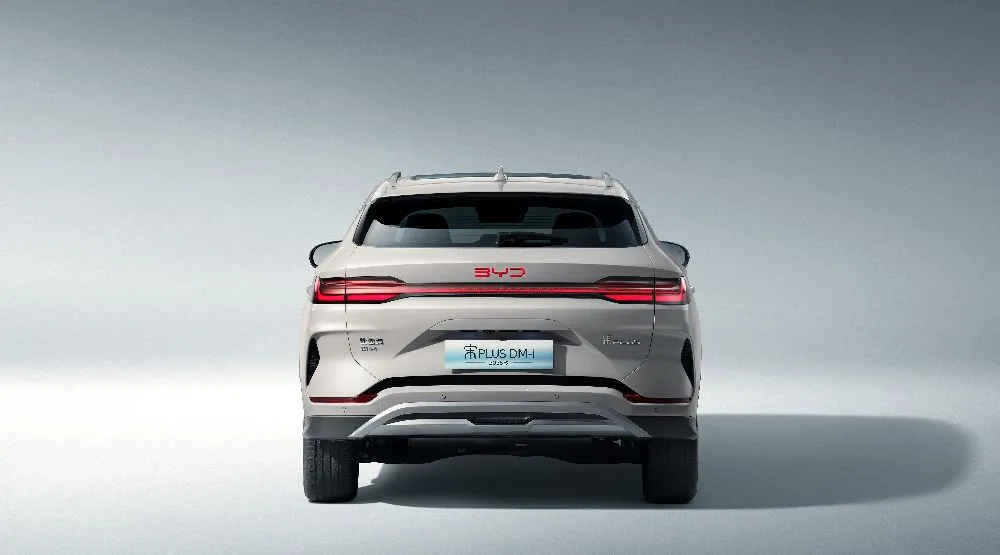
Identify the vehicle before buying a wall unit
Collect photographs of the inlet, labels and supplied cable, together with the exact market and version record. Confirm supported AC charging and any relevant onboard limit from applicable documentation. Do not infer connector type from the Song Plus, SEAL U or Sealion 6 name alone. The charging and connector guide separates the basic compatibility questions. Ask the equipment supplier to state compatibility with the actual vehicle and destination supply in writing, rather than recommending an adapter on the strength of a photograph or an online listing title. An installer needs the complete supported system. Review the adapter and inlet compatibility record before choosing hardware for a China-market vehicle.
Map the parking and cable route
Measure the distance between the intended charge point and the parked inlet, allowing for normal vehicle positioning without stretching or trapping the cable. Consider rain exposure, lighting, pedestrian access, cable storage and whether another vehicle blocks the space. Shared or rented parking may require permission and a clear metering arrangement. Avoid a plan that depends on running an extension lead across a walkway. A practical location also needs access for maintenance and safe disconnection. Establish these constraints before ordering hardware, because relocating a poorly positioned unit can cost more than choosing a slightly different model initially.
Ask an electrician to assess the supply
A qualified local installer should assess available capacity, earthing, protective devices, circuit arrangements and applicable requirements. Do not select cable size, breaker ratings or protective equipment from a generic vehicle article. Other household loads and the supply configuration can limit what is sensible even when a charger advertises a higher rating. Ask whether load management is needed and how it behaves if communication fails. Obtain an itemised proposal separating equipment, electrical work, permits where applicable and testing. A vehicle seller's assurance that ordinary household power is sufficient does not replace an inspection of the actual premises.
Match charging time to the daily task
Estimate the energy needed for an ordinary day rather than insisting that every charge must begin empty and end full. Allow for losses and the vehicle's actual acceptance limit, and model the available overnight window. A DM-i driver with short regular trips may have a different requirement from a Song Plus EV driver returning late after a long route. Use the DM-i versus EV decision guide when uncertain about the ownership pattern. Treat the estimate as planning, not a promised charging time, and include a backup for days when home charging is unavailable.
Commission the installation with the vehicle
After the installer completes electrical checks, perform a supported charging session with the actual car. Confirm start and stop behaviour, lock operation, displayed power, scheduling and any equipment warnings. Keep the installer certificate or test record and the hardware model and serial number. Do not open energised equipment or improvise fault resets. If charging repeatedly interrupts, preserve the vehicle and charger messages before diagnosis. The interrupted-session guide helps distinguish evidence from assumptions, but electrical fault finding belongs to appropriately qualified people using the correct equipment.
Include support and relocation costs
Ask who provides warranty support for the charger, how firmware or account access is maintained and whether essential functions work without an internet connection. Confirm what happens when the household changes vehicle or moves premises. For an imported Song Plus, budget separately for supported charging equipment rather than assuming the seller's included cable solves every destination need. If an essential compatibility question remains open, delay hardware purchase instead of collecting adapters. A successful home-charging plan ends with a safe, commissioned installation and a usable support route, not simply a box delivered before the car arrives.
Use the evidence in a real buying decision
A buyer choosing a wallbox before the car is identified may pay for capacity or a connector that the candidate cannot use. Reverse that order: confirm the vehicle, ask the installer to survey the parking supply, and compare supported equipment against the overnight requirement. A lower-rated but suitable installation can meet the daily task, while an impressive catalogue rating cannot repair an incompatible vehicle or inadequate site plan.
Buyer checklist
- VIN-linked inlet and AC capability
- Parking permission and practical cable path
- Qualified supply assessment and itemised installation
- Vehicle commissioning and equipment support
Questions and answers
Will a higher-rated wallbox always charge a Song Plus faster?
No. Actual power is limited by the vehicle, supply, installation and charging equipment.
Can the seller choose the electrical protection for my house?
The local qualified installer must assess the premises and applicable requirements. A vehicle specification is not a site survey.
Manufacturer reference
Use the applicable market and year documentation for equipment and operating limits. These model references do not establish the condition, fitted equipment or destination approval of an individual vehicle.
Continue with the Song Plus charging guide, or send your vehicle requirements.