
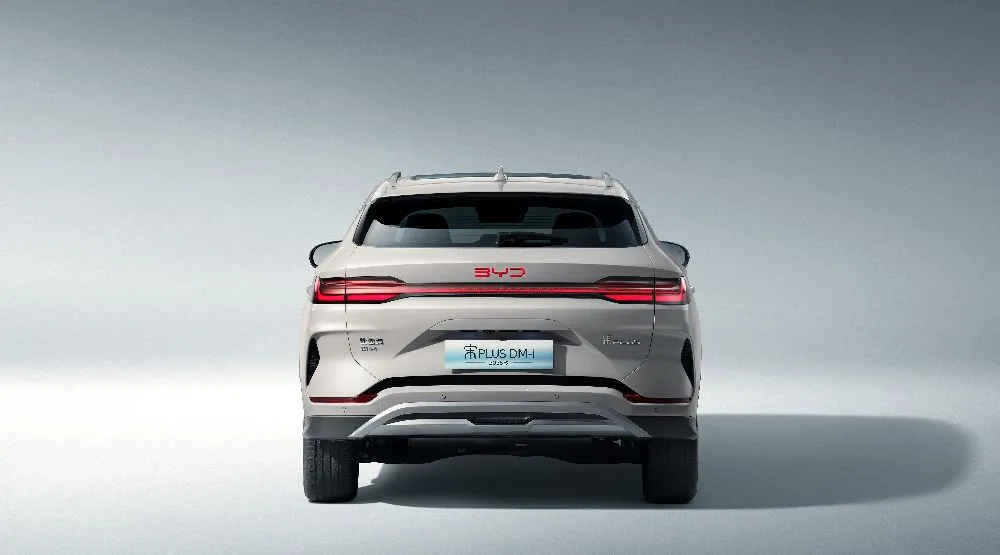
Verify real-world Song Plus DM-i range and fuel use without relying on model reputation or a seller's general description. Every conclusion should survive a change of reviewer.
Decide real-world Song Plus DM-i range and fuel use
Separate three numbers: official electric range, charge-depleted fuel consumption and combined petrol-electric range. Record the test cycle, market, trim, battery and driven wheels beside every figure. Current regional Song Plus and Sealion 6 pages publish different version-specific values; none predicts another VIN by itself. When most trips use stored electricity, review infrequent engine use, fuel records and time-based servicing rather than judging engine condition by fuel consumption alone.
Evidence for real-world Song Plus DM-i range and fuel use
For a used candidate, begin with a full charge, record ambient temperature, route, load, climate-control use and starting state of charge, then log energy, fuel and distance. Repeat a charge-depleted section when safe. Reconcile the result with battery diagnostics, tyre condition, warning history and the exact official market sheet.
Export and ownership exposure
Mixing NEDC, WLTP and local cycles creates false comparisons. A dashboard estimate adapts to recent driving and is not a battery certificate. Long storage, weak 12-volt support, unsuitable tyres, engine faults or infrequent charging can all change the ownership result.
Apply the decision to a real candidate
Build an annual energy model from daily trips, long journeys, charging availability and local fuel and electricity prices. A buyer who charges most nights may use the vehicle differently from an operator who rarely plugs in, even when both own the same nominal version.
Build the VIN-linked record
The approval record should show what established exact dm-i version, who reviewed official test cycle and which evidence supports battery condition. List missing material explicitly; silence in a report is not a passed test.
Common approval mistakes
Avoid combining different years, markets or powertrains in one informal comparison. Do not turn “not checked” into “working,” and do not let a discount close uncertainty about charge-depleted fuel use or annual energy budget.
Close the decision
Finish real-world Song Plus DM-i range and fuel use with a pass, hold or reject status. A hold must name the next action for official test cycle or charge-depleted fuel use; a rejection should preserve the reason so the next shortlist does not repeat it. Approval means the buyer has consciously accepted any remaining limits, not that every uncertainty disappeared.
Independent review for real-world Song Plus DM-i range and fuel use
For real-world Song Plus DM-i range and fuel use, assign each approval field to a reviewer with the relevant competence. Record candidate evidence for exact dm-i version, official test cycle, battery condition, then obtain destination or commercial confirmation for measured route and load, charge-depleted fuel use, annual energy budget where required. Every conclusion should identify its source, date and VIN. If two reviewers interpret a field differently, keep it open until the underlying document, photograph, diagnostic result or written third-party answer resolves the difference.
Arrival controls for real-world Song Plus DM-i range and fuel use
Before loading, freeze the accepted VIN, identity, condition, odometer, warning state, keys, accessories and unresolved exceptions. On arrival, compare those records before cleaning, repair, software changes or routine use. Recheck any open item involving measured route and load, charge-depleted fuel use, annual energy budget, preserve evidence for a timely carrier or supplier claim, and update the ownership file with actual destination findings and costs.
Run a destination-fit test
Turn real-world Song Plus DM-i range and fuel use into a short written test before comparing sellers. State the destination, expected annual distance, normal passenger or cargo load, charging access and the maximum acceptable delay for parts or software support. Then test the candidate against exact dm-i version, battery condition and charge-depleted fuel use. A feature has value only when it works in that operating context. This step prevents a lower purchase price from hiding a charging, registration or ownership constraint that appears after arrival.
Set the commercial hold points
Do not let the technical file and payment schedule move independently. The first hold point confirms identity; the second closes official test cycle; the third accepts inspection condition and measured route and load; the final one reconciles loading evidence with the contracted delivery boundary. Write the release evidence beside each milestone. If annual energy budget remains open, retain an appropriate reserve or keep the vehicle on hold until the exposure is priced.
BYD Song Plus DM-i Range and Fuel Economy Guide: approval checklist
Mark each item confirmed, unresolved or rejected and retain its evidence under the candidate VIN.
- Exact DM-i version
- Official test cycle
- Battery condition
- Measured route and load
- Charge-depleted fuel use
- Annual energy budget
Primary references
These manufacturer pages establish context; actual specifications remain market-, year- and VIN-dependent.
Official BYD Mexico Song Plus DM-i page ↗BYD Sealion 6 Hong Kong specification ↗Related checks before you decide
Review DM-i versus EV ownership choice, traction-battery evidence, annual and landed-cost planning. These checks cover the technical, commercial and destination questions that this comparison alone cannot settle.
Buyer questions about real-world Song Plus DM-i range and fuel use
What fuel economy does a Song Plus DM-i achieve?
There is no universal figure; use the exact market sheet and test a candidate under recorded conditions.
Is combined range a normal daily target?
No. It is a test-cycle claim that combines stored electricity and fuel under defined conditions.
Why does the dashboard range change?
It responds to recent consumption, temperature, load and climate use, so it is an estimate rather than proof of battery health.