
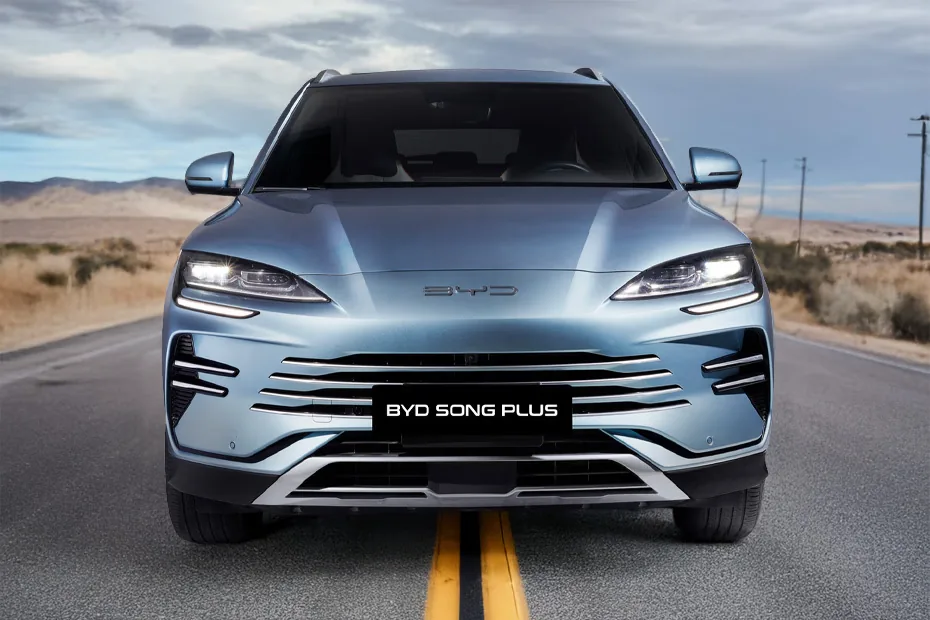
The buyer question is tyres, friction brakes and regenerative behaviour. Start with the candidate facts below and reject any comparison that cannot be tied to a VIN, market and destination.
Decide tyres, friction brakes and regenerative behaviour
Verify the wheel and tyre specification, dates, load and speed markings, tread, repairs and TPMS status. Inspect discs, pads, calipers, hoses and fluid even when regeneration reduces friction-brake use. Identify the DM-i or EV configuration and regeneration settings before describing deceleration as normal or abnormal.
Evidence for tyres, friction brakes and regenerative behaviour
Inspect inner and outer tyre surfaces and wheel barrels for impact, wear or repair. Measure tread, discs and pads; test the parking brake and low-speed friction braking. On a controlled drive, observe straight-line braking, pedal consistency, transition between regenerative and friction braking, warnings and energy flow. Repeat at a suitable battery state because available regeneration can vary.
Export and ownership exposure
Low friction-brake use can allow corrosion, while a refinished wheel can conceal inner damage. Mixed tyres, wrong pressure or poor alignment affect braking, range and ADAS. Regeneration varies with battery state, temperature, mode and software. Safety-critical uncertainty requires diagnosis, not a price allowance.
Apply the decision to a real candidate
If a low-mileage EV has rusty discs, measure contact and serviceability rather than assuming mileage proves condition. If the pedal changes, the car pulls or the brake transition is erratic, hold approval for diagnosis. Price a matched tyre set and brake correction before comparing VINs.
Build the VIN-linked record
File the candidate under its VIN with separate folders for identity, wheel and tread condition, friction-brake measurement and commercial records. A replacement vehicle starts a fresh file rather than inheriting the first vehicle's photographs or conclusions.
Common approval mistakes
A persuasive listing does not establish tyre identity and age, and a brochure cannot settle parking brake for a used or China-market vehicle. Price only the equipment and condition that the evidence proves.
Close the decision
The closing memo for tyres, friction brakes and regenerative behaviour should identify the selected VIN, the accepted exceptions and the source behind tyre identity and age. State whether parking brake was tested, documented or deliberately excluded. Reopen the decision whenever the vehicle, destination, commercial boundary or warnings and alignment assumption changes.
Independent review for tyres, friction brakes and regenerative behaviour
For tyres, friction brakes and regenerative behaviour, assign each approval field to a reviewer with the relevant competence. Record candidate evidence for tyre identity and age, wheel and tread condition, friction-brake measurement, then obtain destination or commercial confirmation for parking brake, regeneration road test, warnings and alignment where required. Every conclusion should identify its source, date and VIN. If two reviewers interpret a field differently, keep it open until the underlying document, photograph, diagnostic result or written third-party answer resolves the difference.
Arrival controls for tyres, friction brakes and regenerative behaviour
Before loading, freeze the accepted VIN, identity, condition, odometer, warning state, keys, accessories and unresolved exceptions. On arrival, compare those records before cleaning, repair, software changes or routine use. Recheck any open item involving parking brake, regeneration road test, warnings and alignment, preserve evidence for a timely carrier or supplier claim, and update the ownership file with actual destination findings and costs.
Translate the guide into a buyer brief
A workable brief for tyres, friction brakes and regenerative behaviour names the destination market, intended route pattern, home or public charging plan, required equipment and acceptable exceptions. It also distinguishes a preference from a condition of purchase. Use tyre identity and age and wheel and tread condition as evidence gates, not seller questions with yes-or-no answers. Ask for the underlying label, screen, document, test result or dated photograph. That record lets a second reviewer reach the same conclusion without depending on the listing description.
Stress-test the shortlisted vehicle
Before approval, model one difficult ownership week: low battery, unavailable preferred charger, a warning message, a parts request or an unexpected registration query. Check whether friction-brake measurement, parking brake and regeneration road test leave a practical route forward. The purpose is not to predict every fault. It is to expose a dependency whose cost or delay would change the purchase decision, then record who accepts that dependency.
Check BYD Song Plus Tyres, Brakes and Regenerative Braking: approval checklist
Mark each item confirmed, unresolved or rejected and retain its evidence under the candidate VIN.
- Tyre identity and age
- Wheel and tread condition
- Friction-brake measurement
- Parking brake
- Regeneration road test
- Warnings and alignment
Primary references
These manufacturer pages establish context; actual specifications remain market-, year- and VIN-dependent.
Official BYD Song Plus EV specification sheet ↗Related checks before you decide
Review whole-vehicle inspection, range and efficiency evidence, ADAS calibration checks. These checks cover the technical, commercial and destination questions that this comparison alone cannot settle.
Buyer questions about tyres, friction brakes and regenerative behaviour
Do EV brakes need inspection?
Yes. Friction brakes remain safety-critical and can deteriorate with low use.
Why can regeneration feel different?
Battery state, temperature, drive mode and software can change it.
Can mixed tyres affect range?
Yes, and also braking, stability and driver-assistance inputs.