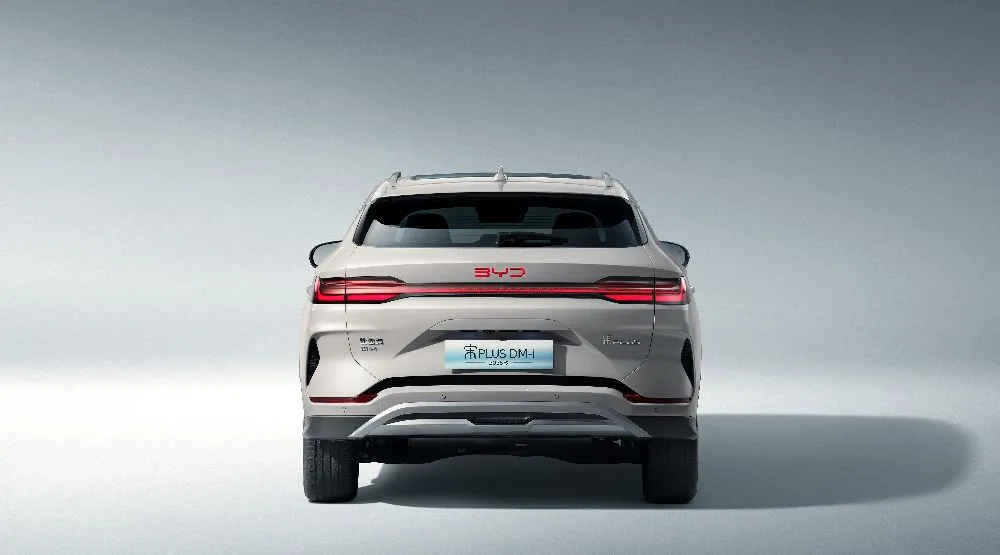
Identify wheel and tyre specification and the exact DM-i or EV configuration before deciding what is normal. Inspect ride height, springs, dampers, bushes, ball joints, links, wheel bearings, steering rack area and underbody mounting points. Compare left and right, and connect any deviation to tyre wear, impact or repair history. Official Song Plus DM-i material describes MacPherson front and multi-link rear suspension for a named market version, not every Song Plus ever sold. The following checks turn suspension, steering and alignment condition into a decision that can be reviewed against one identified vehicle.
Decide suspension, steering and alignment condition
Identify wheel and tyre specification and the exact DM-i or EV configuration before deciding what is normal. Inspect ride height, springs, dampers, bushes, ball joints, links, wheel bearings, steering rack area and underbody mounting points. Compare left and right, and connect any deviation to tyre wear, impact or repair history. Official Song Plus DM-i material describes MacPherson front and multi-link rear suspension for a named market version, not every Song Plus ever sold.
Evidence for suspension, steering and alignment condition
Measure tyre pressures and tread across each tyre, inspect wheel runout and perform a documented alignment check when wear or repair evidence justifies it. During a controlled road test, record steering-centre position, return, effort, pull, vibration, braking stability, low-speed knocks and behaviour over matched surfaces. Scan steering, braking and driver-assistance modules, then review whether windscreen, body or suspension work required calibration.
Export and ownership exposure
Large wheels and low-profile tyres can make road texture more noticeable, but that does not excuse a repeatable knock or pull. An alignment printout can be manipulated by worn parts or an uncentred steering wheel. Collision damage, bent inner rims, mismatched tyres and incorrect pressures can imitate suspension faults. Safety-critical looseness or structural uncertainty requires diagnosis before export. Reconcile chassis findings with the tyre, brake and regeneration checks and any ADAS calibration evidence.
Apply the decision to a real candidate
For a low-mileage EV with one new front tyre and an off-centre wheel, do not accept a simple tracking promise. Inspect the wheel and suspension, measure alignment, review repair history and verify ADAS calibration implications. Price matched tyres and confirmed repairs before comparing candidates; reject structural or steering uncertainty that cannot be resolved.
Build the VIN-linked record
Create a working sheet headed by Wheel and tyre identity, Suspension joint inspection and Steering operation. Place the source and date beside each result, then link photographs, documents and tests to the VIN. Keep Alignment evidence and Road-test symptoms as open actions until a named person confirms them.
Common approval mistakes
Do not approve suspension, steering and alignment condition from a translated trim name, an undated listing or equipment borrowed from another market. The most expensive error here is carrying an unresolved adas calibration link assumption into payment or shipping.
Close the decision
Approve suspension, steering and alignment condition only after the file shows who verified wheel and tyre identity, suspension joint inspection and steering operation. Give unresolved alignment evidence or road-test symptoms a named owner and deadline. If the missing evidence can change legality, safety or total cost, hold payment rather than treating the seller description as confirmation.
Independent review for suspension, steering and alignment condition
For suspension, steering and alignment condition, assign each approval field to a reviewer with the relevant competence. Record candidate evidence for wheel and tyre identity, suspension joint inspection, steering operation, then obtain destination or commercial confirmation for alignment evidence, road-test symptoms, adas calibration link where required. Every conclusion should identify its source, date and VIN. If two reviewers interpret a field differently, keep it open until the underlying document, photograph, diagnostic result or written third-party answer resolves the difference.
Arrival controls for suspension, steering and alignment condition
Before loading, freeze the accepted VIN, identity, condition, odometer, warning state, keys, accessories and unresolved exceptions. On arrival, compare those records before cleaning, repair, software changes or routine use. Recheck any open item involving alignment evidence, road-test symptoms, adas calibration link, preserve evidence for a timely carrier or supplier claim, and update the ownership file with actual destination findings and costs.
Use an evidence expiry date
Information supporting suspension, steering and alignment condition does not remain current indefinitely. Date the seller authority, odometer, warning-state photographs, diagnostic scan, quotation and any proof related to wheel and tyre identity or suspension joint inspection. Define which items must be refreshed before payment and again before loading. A changed mileage, software state, battery reading or ownership record can invalidate an earlier approval even when the VIN is unchanged.
Reconcile total cost with technical risk
Keep the base vehicle price separate from inspection, domestic transport, export work, freight, insurance and destination charges. Then add a visible allowance for unresolved steering operation, road-test symptoms and adas calibration link. This is not a prediction presented as fact; it is a decision reserve. Compare shortlisted vehicles on the same delivery boundary and currency date so a weak quotation does not appear cheaper merely because it omits an obligation.
Inspect BYD Song Plus Suspension, Steering and Wheel Alignment: approval checklist
Mark each item confirmed, unresolved or rejected and retain its evidence under the candidate VIN.
- Wheel and tyre identity
- Suspension joint inspection
- Steering operation
- Alignment evidence
- Road-test symptoms
- ADAS calibration link
Primary references
These manufacturer pages establish context; actual specifications remain market-, year- and VIN-dependent.
Official BYD Mexico Song Plus DM-i page ↗Buyer questions about suspension, steering and alignment condition
Does an alignment printout prove the chassis is undamaged?
No. Interpret it with physical inspection, tyre wear and repair evidence.
Is firm ride automatically a suspension fault?
No. Compare the exact wheel package and road surface, but investigate repeatable noise, pull or looseness.
Why scan after suspension repair?
Steering, braking and driver-assistance systems can store faults or require calibration.