
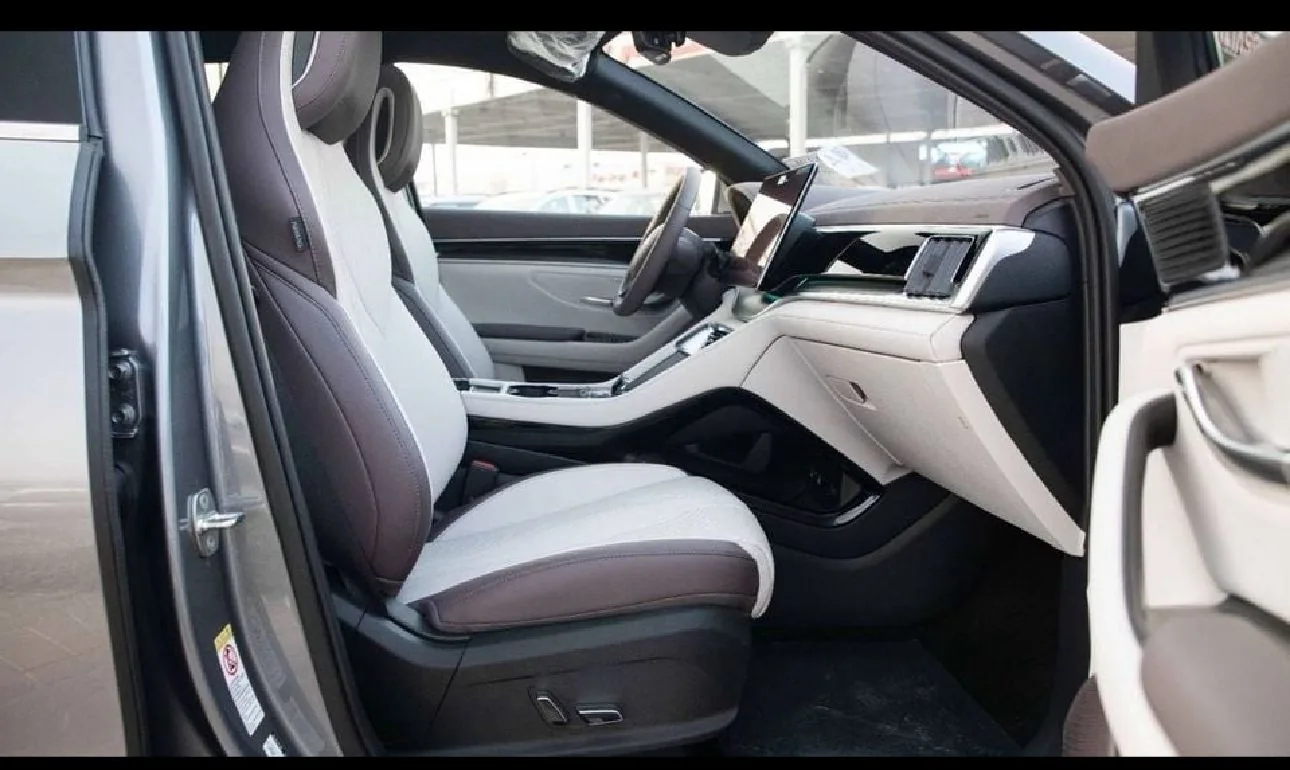
Identify the installed heating equipment
Ask for the exact year, powertrain and market documentation describing heating, defrosting and any preconditioning features. Do not infer a heat pump, heated windscreen or remote heating function from a trim nickname. Check the controls physically and record which features operate locally and which require an account or connection. The Song Plus specification guide helps separate installed equipment from advertising. If cold-weather capability is essential, include the required functions in the sourcing brief before a seller substitutes a visually similar version with a different comfort package.
Test visibility before judging comfort
Using the correct instructions, check front demisting, rear-window heating where fitted, airflow direction and blower response. Inspect glass cleanliness, wiper condition and washer operation. Persistent moisture may involve cabin water entry or filter issues rather than inadequate heater output alone. Do not drive with obstructed visibility while waiting for a system to catch up. A mild-weather workshop test can establish basic operation but not prove performance in severe winter conditions. Record ambient conditions and limitations explicitly instead of presenting a warm indoor demonstration as a cold-weather certification.
Observe the warm-up sequence
Start from a documented cold condition when practical and note the selected settings, initial battery level and time-dependent cabin response. For DM-i, record any engine activity without assuming it is abnormal; controls may manage heat and energy differently from an EV. Do not run a combustion engine in an enclosed space. Compare measured observations with applicable service information, not an invented universal heating time. If heat fades, varies unexpectedly or triggers warnings, preserve the sequence and arrange qualified diagnosis. A hot front vent at one moment does not establish consistent cabin heating or effective demisting.
Include heating in the route budget
Cabin heating and cold conditions can change energy consumption, so plan a realistic route with a reserve and available alternatives. Use a consistent load, speed profile and comfort setting when comparing observations. The Song Plus EV efficiency guide and the DM-i energy guide cover different operating cases. Do not turn one cold test into a battery-health percentage or promise a fixed winter range reduction. A buyer with short repeated journeys may experience a different heating demand from someone making one continuous trip of the same total distance.
Verify preconditioning without relying on it blindly
Where supported, test scheduled or remote conditioning under the conditions the buyer can actually reproduce. Confirm whether external power, account access or regional connectivity affects availability. The software and app guide is relevant when an imported car depends on services unavailable at destination. Essential visibility and heating should not rest on a seller's phone remaining linked to the vehicle. Keep a local operating plan for days when connectivity fails. Do not recommend leaving the car running unattended in an unsafe location or bypassing normal security to maintain cabin temperature.
Separate a configuration limit from a repair
If the candidate lacks a desired winter feature, that is a version-selection issue rather than a fault to be fixed with an unverified retrofit. If fitted equipment fails, require diagnosis, parts identification and a repeat test. Ask the destination workshop about support before shipping an unresolved thermal-system problem. New and used vehicles both need function checks, while used examples also need repair and fluid history where relevant. A defensible acceptance record states what was fitted, what was tested, the weather conditions and the remaining limitation, allowing the buyer to choose knowingly rather than infer winter suitability from a broad all-season claim.
Use the evidence in a real buying decision
A buyer planning winter school runs may find that a warm-weather test establishes controls but leaves cold demisting unproven. Keep that limitation in the decision rather than substituting an optimistic range estimate. Ask a competent destination provider about the identified heating configuration and support, and decide whether the available evidence is sufficient before importing. An unsupported retrofit promise should not be treated as installed winter equipment.
Buyer checklist
- Verified market-specific heating hardware
- Demisting and airflow function
- Recorded cold-start conditions
- Route reserve and supported preconditioning
Questions and answers
Does every Song Plus have the same winter heating system?
No. Confirm powertrain, market, year and installed equipment rather than transferring another version’s specification.
Can a winter road test measure battery health by itself?
No. Temperature, cabin heating, speed and route affect consumption; battery condition requires a broader assessment.
Manufacturer reference
Use the applicable market and year documentation for equipment and operating limits. These model references do not establish the condition, fitted equipment or destination approval of an individual vehicle.
Continue with the Song Plus EV efficiency guide, or send your vehicle requirements.