
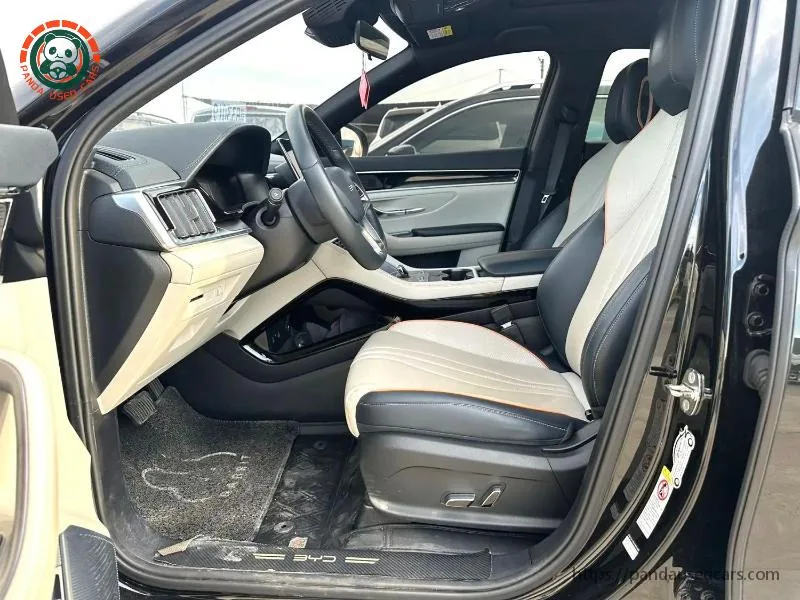
Define the car’s status before using a new-car comparison
Obtain production and registration records, first-use information and the seller’s description of demonstration duty. The new-versus-used decision keeps status separate from mileage. A display unit, registered test-drive vehicle and unregistered stored car can require different commercial descriptions, and local definitions need applicable professional confirmation. Record the exact facts rather than promising every demonstrator is equivalent to new. Ask for dated supporting evidence where a claimed first-use date affects the offer. The buyer should understand what is being purchased before deciding whether a promotion represents a genuine saving over another vehicle on a comparable delivery boundary.
Reconstruct use and storage rather than relying on low distance
Ask whether multiple drivers, events, repeated short starts, static accessory use or long storage shaped the vehicle’s recent history. The storage and 12V checks identify relevant wake-up and low-voltage questions without asserting that every unused car has a problem. For a DM-i demonstrator, retain applicable engine and fuel-care evidence; an EV requires its own system scope. Record current charge, warnings and any supported recommissioning work professionally. Low distance can accompany considerable calendar time or demonstration activity, so the inspection brief should reflect both rather than erase storage and use from the acquisition file.
Apply delivery checks and any additional used-condition scope
Use the new-car pre-delivery guide for identity, included equipment and delivery-condition confirmation. Where actual use or registration makes history relevant, add the appropriate inspection scope rather than treating a showroom environment as independent approval. Review cosmetic repairs, tyres, glazing and applicable calibration records without assuming every touch-up proves serious damage. For the battery, obtain meaningful evidence with test limits, not just a dashboard screenshot. A recent service invoice can support a record but does not independently prove all demonstrated systems are healthy or guarantee no future fault after the buyer takes delivery.
Check included items and supported ownership transfer
Confirm keys, supplied charging equipment, manuals and any removable items against an agreed list. Use the charging equipment checks for the actual inlet and accessories, and the app handover file for previous-user removal and supported pairing. Do not count a demonstration subscription, dealer login or unsupported phone installation as a permanent buyer feature. Inspect the actual car’s operation rather than a nearby new example. Missing items can change net value when matching replacements or account transfer require supported work. Preserve the included list so marketing photographs cannot silently become the contract’s equipment description.
Obtain actual coverage and destination support answers
Ask the responsible provider when relevant coverage began, what transfers and whether the destination, original market and intended use qualify. The warranty and overseas support guide distinguishes these answers from a general brand warranty headline. Do not assume an unregistered demonstrator has an untouched warranty clock, or that registration automatically removes all possible support. Obtain exact-configuration paid service and parts answers independently. A useful discount may still be acceptable with a clearly understood limitation, but it should not be sold as new-equivalent coverage when the provider has not confirmed that for the offered VIN and receiving jurisdiction.
Calculate the net saving after preparation and missing items
Use the price guide to align inspection, preparation, documentation, included accessories and delivery readiness across actual alternatives. Name optional cosmetic preferences separately from essential supported work. Consider three-year ownership costs without inventing a guaranteed resale penalty for demonstration use. Proceed when status, condition, equipment and support explain a meaningful complete saving; negotiate defined work or select another car when important exposure remains. A demonstrator is not worthwhile because a banner says limited offer. Its value comes from the accepted individual vehicle and responsibility chain compared with a genuinely available equivalent alternative.
Compare the acceptance conditions
- Discount is meaningful
- Documented status, current findings and included equipment leave a useful net saving with clearly understood coverage and service limits.
- Resolve before approval
- First-use dates, missing items or previous account access are unclear and materially affect what the buyer will receive.
- New alternative is clearer
- The modest nominal saving disappears after essential preparation or relies on unsupported new-equivalent coverage and handover promises.
Buyer evidence checklist
- Production, registration and actual in-service dates
- Demonstration and storage history
- Delivery plus appropriate used-condition findings
- Keys, cables and ownership access confirmed
- Provider-backed support and complete net saving
Questions before you buy
Is a low-mileage demonstrator necessarily new-equivalent?
No. Status, actual duty, calendar time, condition and applicable coverage need separate answers for the offered vehicle.
What discount percentage should every demonstrator have?
No universal percentage is assumed. Compare complete preparation, included equipment and support with an identified alternative.