
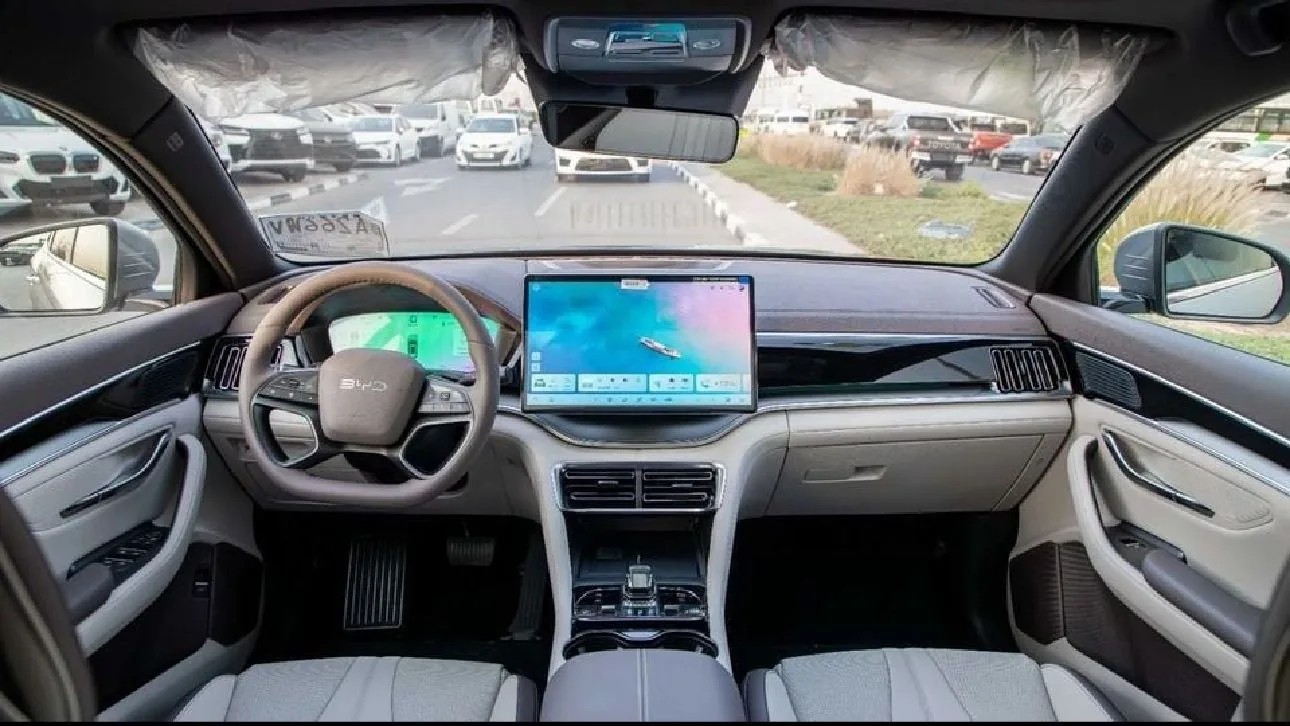
Use this guide to test low-voltage supply and storage recovery without relying on model reputation or a seller's general description. Every conclusion should survive a change of reviewer.
Decide low-voltage supply and storage recovery
Identify the exact DM-i or EV system before using any storage procedure. The 12-volt supply powers control, locking and wake-up functions even though propulsion uses a high-voltage battery. Confirm low-voltage battery type, rating, age, mounting and terminal condition, then inventory cameras, trackers or accessories that may remain active. Use the applicable owner manual for shutdown, jump-start and storage steps rather than transferring advice from another BYD model.
Evidence for low-voltage supply and storage recovery
After an appropriate rest period, record battery voltage or diagnostic state, unlock and wake-up response, warning messages and a full-module scan. Verify low-voltage charging behaviour with the vehicle in the correct state. Inspect grounds, fuses, added wiring and evidence of repeated boost starts. For port storage, document both low- and high-voltage state at seller handover, terminal entry, loading and arrival, plus the responsible party for periodic checks.
Export and ownership exposure
A recently boosted battery can appear normal long enough for a sales demonstration. Low voltage may create communication errors or a no-ready condition without proving widespread module failure. Unsafe jump-starting or random high-voltage intervention creates serious risk. Shipping companies can impose state-of-charge and access rules, while account or key problems may complicate wake-up after arrival.
Apply the decision to a real candidate
For an EV that has sat in a yard and requires a booster, hold the candidate until the 12-volt battery is correctly charged, tested and observed through a sleep-and-wake cycle. Repeat diagnostics at stable voltage, investigate abnormal drain and verify both keys. Replace a failed battery before loading and retain the result so arrival staff do not misdiagnose an old low-voltage problem as shipping damage. Continue with the traction-battery health check and the battery-aware shipping plan before loading.
Build the VIN-linked record
The approval record should show what established exact DM-i or EV version, who reviewed 12v battery identity and which evidence supports rest and load evidence. List missing material explicitly; silence in a report is not a passed test.
Common approval mistakes
Avoid combining different years, markets or powertrains in one informal comparison. Do not turn “not checked” into “working,” and do not let a discount close uncertainty about accessory draw or port storage plan.
Close the decision
Finish low-voltage supply and storage recovery with a pass, hold or reject status. A hold must name the next action for 12v battery identity or accessory draw; a rejection should preserve the reason so the next shortlist does not repeat it. Approval means the buyer has consciously accepted any remaining limits, not that every uncertainty disappeared.
Independent review for low-voltage supply and storage recovery
For low-voltage supply and storage recovery, assign each approval field to a reviewer with the relevant competence. Record candidate evidence for exact DM-i or EV version, 12v battery identity, rest and load evidence, then obtain destination or commercial confirmation for wake-up and charging test, accessory draw, port storage plan where required. Every conclusion should identify its source, date and VIN. If two reviewers interpret a field differently, keep it open until the underlying document, photograph, diagnostic result or written third-party answer resolves the difference.
Arrival controls for low-voltage supply and storage recovery
Before loading, freeze the accepted VIN, identity, condition, odometer, warning state, keys, accessories and unresolved exceptions. On arrival, compare those records before cleaning, repair, software changes or routine use. Recheck any open item involving wake-up and charging test, accessory draw, port storage plan, preserve evidence for a timely carrier or supplier claim, and update the ownership file with actual destination findings and costs.
Compare evidence, not advertisement language
For low-voltage supply and storage recovery, create two columns: verified candidate facts and unresolved commercial claims. Only the first column may support valuation. Put exact DM-i or EV version, 12v battery identity and rest and load evidence in the verified column only after the source is dated and linked to the VIN. Keep translated trim names and generic market specifications in the second column until reconciled. This method makes a cheaper vehicle with weak evidence visibly different from a properly documented candidate.
Prepare the post-arrival owner file
The final handover pack should be usable by someone who never saw the China-side listing. Include the exact version record, keys, charging hardware, diagnostic baseline, accepted body condition, service evidence and the decisions behind wake-up and charging test and accessory draw. Add a first-month action for port storage plan. Clear ownership records reduce duplicated diagnosis, wrong parts orders and disputes over whether an issue existed before shipment.
Check BYD Song Plus 12V Battery and Storage Recovery: approval checklist
Mark each item confirmed, unresolved or rejected and retain its evidence under the candidate VIN.
- Exact DM-i or EV version
- 12V battery identity
- Rest and load evidence
- Wake-up and charging test
- Accessory draw
- Port storage plan
Primary references
These manufacturer pages establish context; actual specifications remain market-, year- and VIN-dependent.
Official BYD owner-manual library ↗Buyer questions about low-voltage supply and storage recovery
Can a weak 12V battery stop a Song Plus from becoming ready?
Yes. The low-voltage system supports control and wake-up functions even in an EV.
Does a successful jump-start prove the battery is healthy?
No. Charge and test it, then check sleep current and repeated wake-up behaviour.
Should shipping staff touch the high-voltage system?
Only trained personnel following vehicle and carrier procedures should handle high-voltage concerns.